

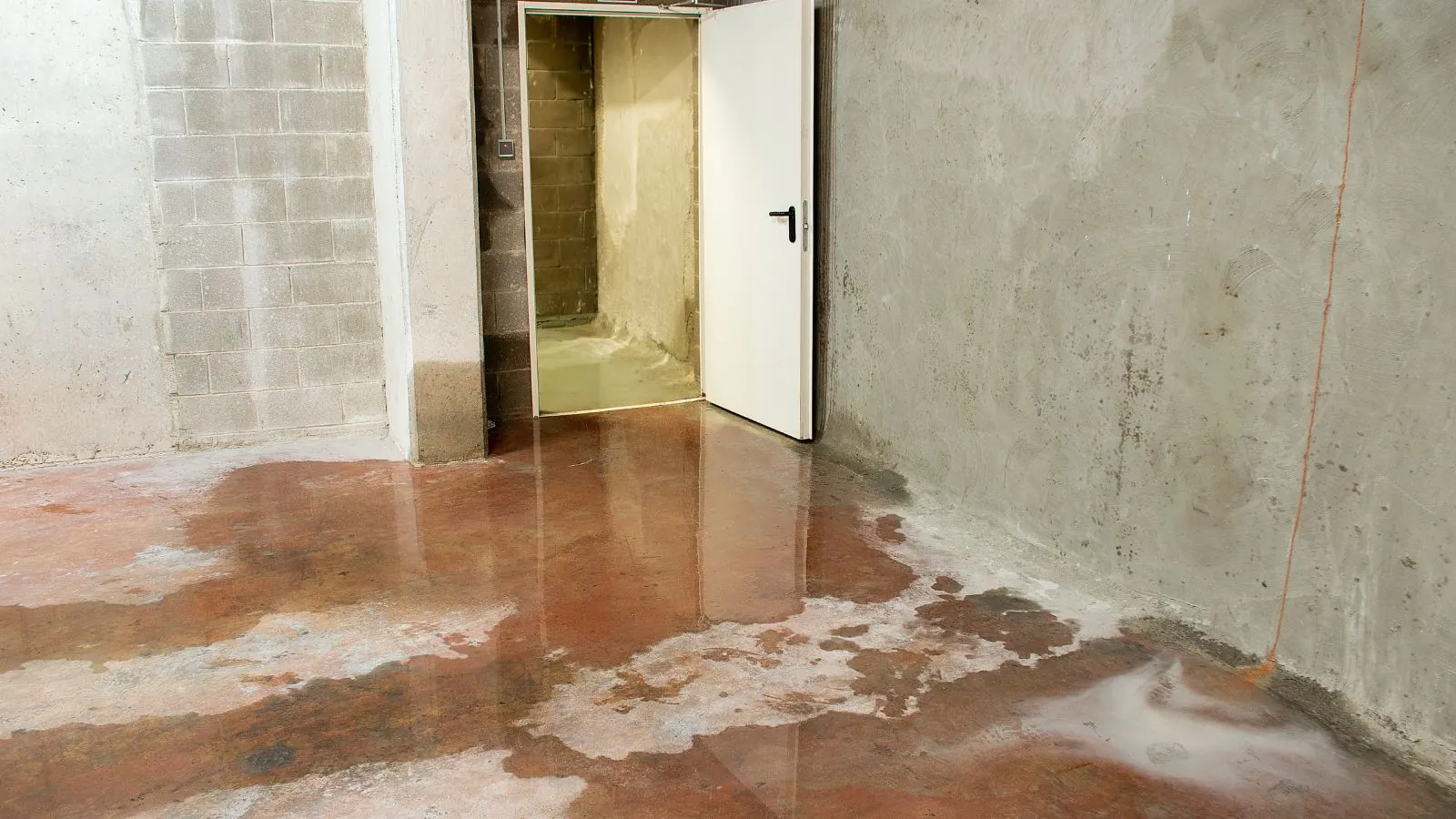
Water in a basement is urgent because everything stored there is within inches of the floor. If water is deep, stay out. Never go down the stairs if water touches outlets, the electrical panel, the furnace or the water heater. Call the 24/7 line, and call the electric utility or 911 if electrical equipment is under water.
This page covers the below-grade room, including sump failure, seepage, finished walls and stored contents. River and creek flooding is on the flood damage page.
When a basement leak is an emergency
It is urgent when standing water covers the floor, when the sump pump has stopped, when water is flowing in, when finished walls are wet or when stored belongings are in the water. Same-day response is offered when crews are available, including nights and weekends.
If a heavy rain is in the forecast and the basement is already damp, call before it gets worse.
Electrical hazards in a basement
Furnaces, water heaters, panels and outlets sit low in a basement. Do not enter standing water near any of them. Do not turn the breaker off while standing in water. If you cannot reach the panel from a dry spot, call the electric utility or 911.
Where basement water comes from
Sump pump failure
The pump stops, a float sticks or the power goes out in a storm. Water rises through the pit.
Seepage through walls and floor
Groundwater pushes through cracks, joints and the floor-wall seam after heavy rain.
Plumbing leaks
A supply line, drain or water heater leaks into the room.
Sewer backup
Water rises from a floor drain or basement bathroom. This is contaminated and is covered on the sewage page.
How crews clean and dry a basement
Crews pump standing water, move stored items and extract what remains with wet vacuums and extraction units. Wet carpet, pad and insulation are removed if they cannot be dried. Drywall that wicked water is cut about a foot above the line when it will not dry.
Walls are opened where needed, and air movers and dehumidifiers dry the framing and the slab. Basements hold moisture, so drying often takes longer than in an upper room. Moisture readings in the concrete and the wall base show when it is time to rebuild.
The structural drying page explains the equipment in more detail.
| Basement condition | Usual response | Common outcome |
|---|---|---|
| Clean water from a leak | Extract, dry and save what is dry | Finished walls and flooring may be saved |
| Groundwater seepage | Extract, check materials, document | Some porous materials removed |
| Sewage or contaminated water | Extract with protective gear, remove porous materials | Carpet and drywall removed |
| Sump failure during storm | Pump, extract, dry | Depends on depth and time |
Readings and the water source decide the plan.
Restoration is not waterproofing
Callers sometimes ask whether restoration will stop a basement from taking on water. It will not. Restoration removes water and dries and repairs what got wet. Waterproofing changes grading, drainage or the foundation so that water stops entering.
If your basement takes on water every time it rains, the dry-out will help, but a drainage or foundation contractor needs to fix the cause. A failed sump pump, a clogged downspout or poor grading around the house can all play a part. Coordinate the repair with the dry-out.
Why basements near the Hocking River need extra care
Athens is in the Hocking River valley, and large sections of the city lie in its floodplain. Basements in low areas near the river and its creeks sit close to the water table when the ground is saturated. After long rains, water can enter through floors and walls even without a river flood.
Ask the City of Athens about floodplain maps, check the FEMA flood map for your address and ask your insurer about flood coverage. Standard homeowners, renters and business policies typically leave flood out, according to the Ohio Department of Insurance.
Water in the basement? Call the 24/7 line and tell us the depth.
☎ Call (740) 231-9132Homes in the Near East Side sit partly on low ground near the river, so basement checks matter there.
Stored belongings and finished basements
Move boxes and electronics off the floor if you can do so safely. Cardboard, photos and papers absorb water quickly. Furniture with fabric is often discarded after contaminated water and may be cleaned after clean water. Make a list of what was in the basement for your insurer.
Finished basements have carpet, pad, drywall and insulation. Each reacts differently, and a crew will explain which can be dried. If carpet is involved, see the carpet water damage page.
What affects the cost of basement cleanup
Basements combine large areas with slow-drying concrete.
| Factor | Why it changes the scope |
|---|---|
| Depth and duration | Deeper, longer flooding means more material removed. |
| Water category | Clean water, groundwater and sewage are handled differently. |
| Finished or unfinished | Finished walls and flooring add scope. |
| Drying days and equipment | Slabs and walls dry slowly. |
| Contents and rebuild | Contents handling and repairs are separate items. |
Cost is explained after the damage is described and before work starts. Call (740) 231-9132 any time.
Insurance treatment depends on the source. Plumbing failures are often covered, groundwater seepage and floods usually are not. Ask your insurer.
Frequently asked questions
Do you handle basement water emergencies at night or on weekends in Athens?
Yes. Nights and weekends are covered. If water is deep or near electrical equipment, stay out and call, and a crew is sent the same day when one is available.
Will restoration stop my basement from flooding again?
No. Restoration dries and repairs. A drainage or foundation contractor fixes the cause.
Can finished drywall be saved after a basement leak?
Sometimes, if the water was clean and brief. Soaked drywall is usually cut out.
The sump pump stopped. What should I do?
Check the power and the float, but stay out of standing water near electrical equipment. Call the line if water is rising.
Will insurance cover a wet basement?
It depends on the source. Plumbing failures are often covered. Groundwater and flood usually are not. Ask your insurer.