

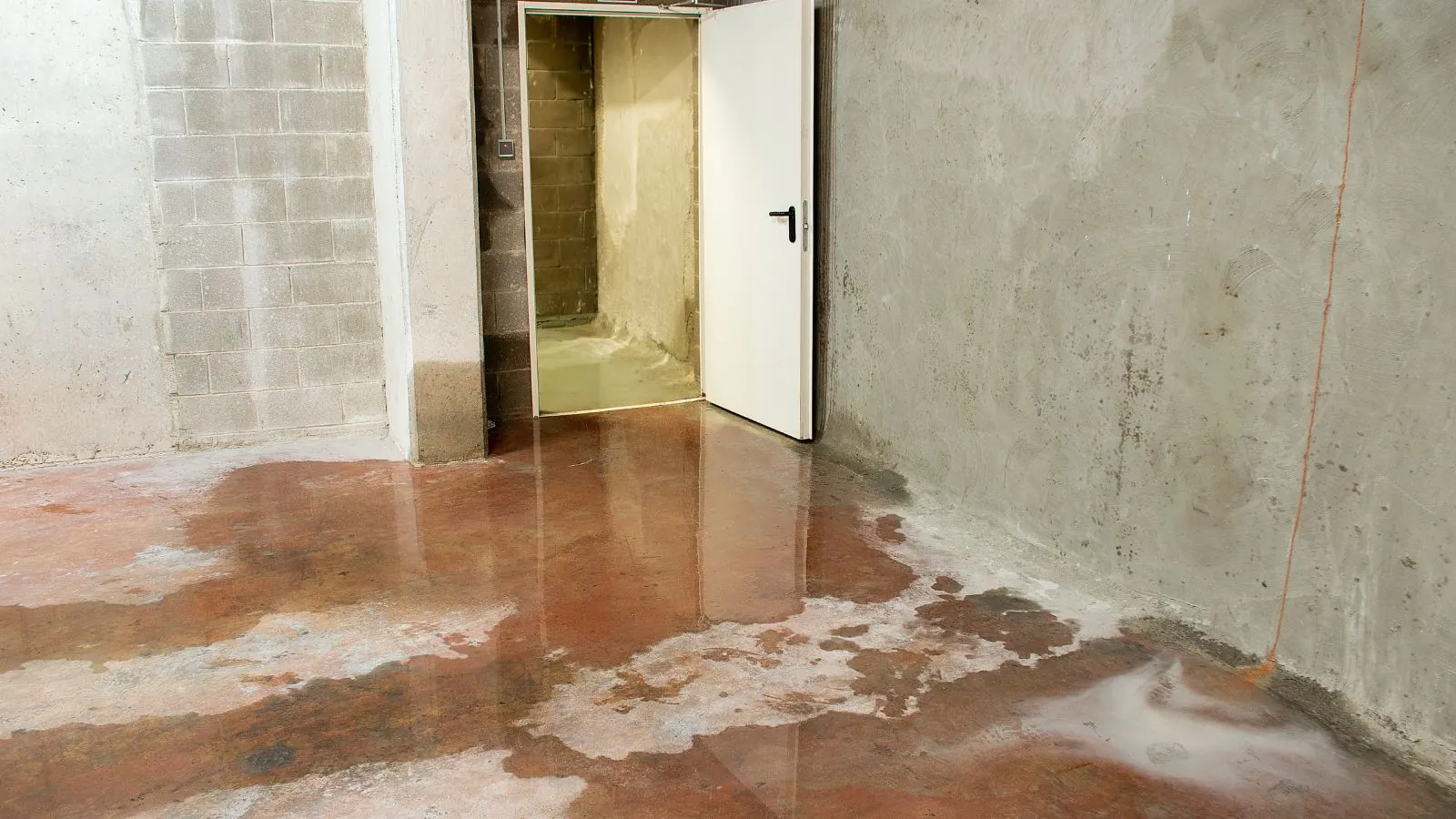
A fresh coat of paint can hide a lot. A stain on a ceiling vanishes, a damp corner of the basement gets a dehumidifier and the musty smell is covered by a candle. You do not need to be a contractor to spot the signs, and a few checks before you make an offer can save a great deal later.
This guide works for any home in the Athens area. It does not replace a professional home inspection, which you should hire in every case.
Walk the outside first
- Check whether the land slopes toward the house or away from it.
- Look at downspouts and where they discharge.
- Check the foundation for cracks, efflorescence (white mineral deposits) and patched areas.
- Look at the roof for patches, mismatched shingles and sagging.
- Note where the house sits relative to nearby creeks and ditches.
Efflorescence on a basement wall means water has moved through the masonry and left minerals behind. A freshly painted foundation wall in an otherwise old basement is a red flag.
Inside: ceilings, walls and floors
Look at ceilings in every room, especially under bathrooms and the roof. Look for tan or brown rings, bubbling paint and new patches. Press on baseboards. Swollen, soft or separated trim means water has been at the base of the wall.
Check floors for cupping, buckling or soft spots. A floor that dips near a sink, dishwasher or toilet may have a long-term leak. Hardwood and laminate show water damage with gaps and edge swelling.
The basement and crawl space
Take a flashlight. Look for water lines on the walls, rust on the bottom of the furnace or water heater, damp spots and a musty smell. Check the sump pit and ask whether it runs. Look at the joists for dark staining or soft wood.
In a crawl space, look for standing water, torn vapor barrier, sagging insulation and signs of past pumping. The crawl space page explains what a wet one means for the house.
| What you see | What it could mean | What to ask |
|---|---|---|
| Fresh paint on one patch of ceiling | A past leak covered up | When was the leak and who repaired it? |
| White powder on basement walls | Water moving through masonry | Does the basement take on water? |
| Soft or cupped floor near a fixture | Long-term leak or spill | Has the plumbing been repaired? |
| A dehumidifier running in the basement | Chronic dampness | How often does water enter? |
| Sump pump with a well-worn pit | Groundwater problem | Has it ever failed? |
Ask for answers in writing where you can.
Found something at a showing? Call and describe it.
☎ Call (740) 231-9132Flood history and floodplain questions
Large parts of Athens and Ohio University lie in the Hocking River floodplain. Notable floods occurred in 1832, 1873, 1907, 1937, 1949, 1964 and 1968. In 1969 the U.S. Army Corps of Engineers rerouted and widened the river channel for several miles.
Ask the seller whether the home has flooded, and check the FEMA flood map for the exact address. Ask your insurer for a flood quote before closing. Homes near Nelsonville's Hocking River and Monday Creek or near Chauncey's Sunday Creek deserve the same questions.
Source type: Public reference (Wikipedia), FEMA flood map program
Questions for the seller
- Has there ever been water in the basement, a leak or a flood?
- Has any plumbing, roof or foundation work been done?
- Has an insurance claim been filed for water damage?
- Is there a disclosure form, and what does it say?
- Who did the repairs and are there receipts?
Ohio requires sellers of residential property to complete a Residential Property Disclosure Form, which asks about water in the basement and leaks. Read it carefully and compare it with what you see. Disclosure is no substitute for inspection.
When to bring in a moisture specialist
A general inspector may use a moisture meter and a thermal camera, but a restoration crew has more experience reading damp materials. If something looks suspicious, ask the inspector to point out the readings. If you still have doubts, negotiate repairs, a price change or a walk-away option in the contract.
Hidden moisture is the expensive kind. A small stain may cover a rotted subfloor or a leaking line behind a wall.
Make the contract work for you
Include an inspection contingency that lets you back out or renegotiate if serious problems are found. Ask the seller to fix known leaks before closing, and get proof. After you buy, take photos on day one so you have a record of the starting condition.
Frequently asked questions
How can I tell if a basement has had water in it?
Look for water lines, white mineral deposits, rust at the base of equipment, fresh paint on one wall and a musty smell.
Should I worry about a ceiling stain in a house I want to buy?
Ask when it happened and whether it was repaired. A stain can be old and dry, but a moisture reading tells you if it is active.
Do I need flood insurance for a home near the Hocking River?
Check the FEMA flood map for the address and ask your insurer. Standard homeowners policies typically do not cover flood.
Can a home inspector find all water damage?
No. Inspectors see what is visible and measurable that day. Hidden moisture can remain, so ask questions and consider a specialist for suspicious areas.
What if I find water damage after closing?
Document it, read the seller disclosure and talk to a real estate attorney about your options.