

Most people find out what their policy covers on the worst day to learn it. A pipe splits, water runs through the ceiling and the first question is whether the insurer will pay. The honest answer is that it depends on the cause, the timing and the exact wording of your policy.
This guide explains the patterns that show up in many standard homeowners policies. It is not legal or insurance advice, and your insurer decides coverage. Read your own policy, or ask your agent, before you rely on anything here.
The rule of thumb: sudden versus gradual
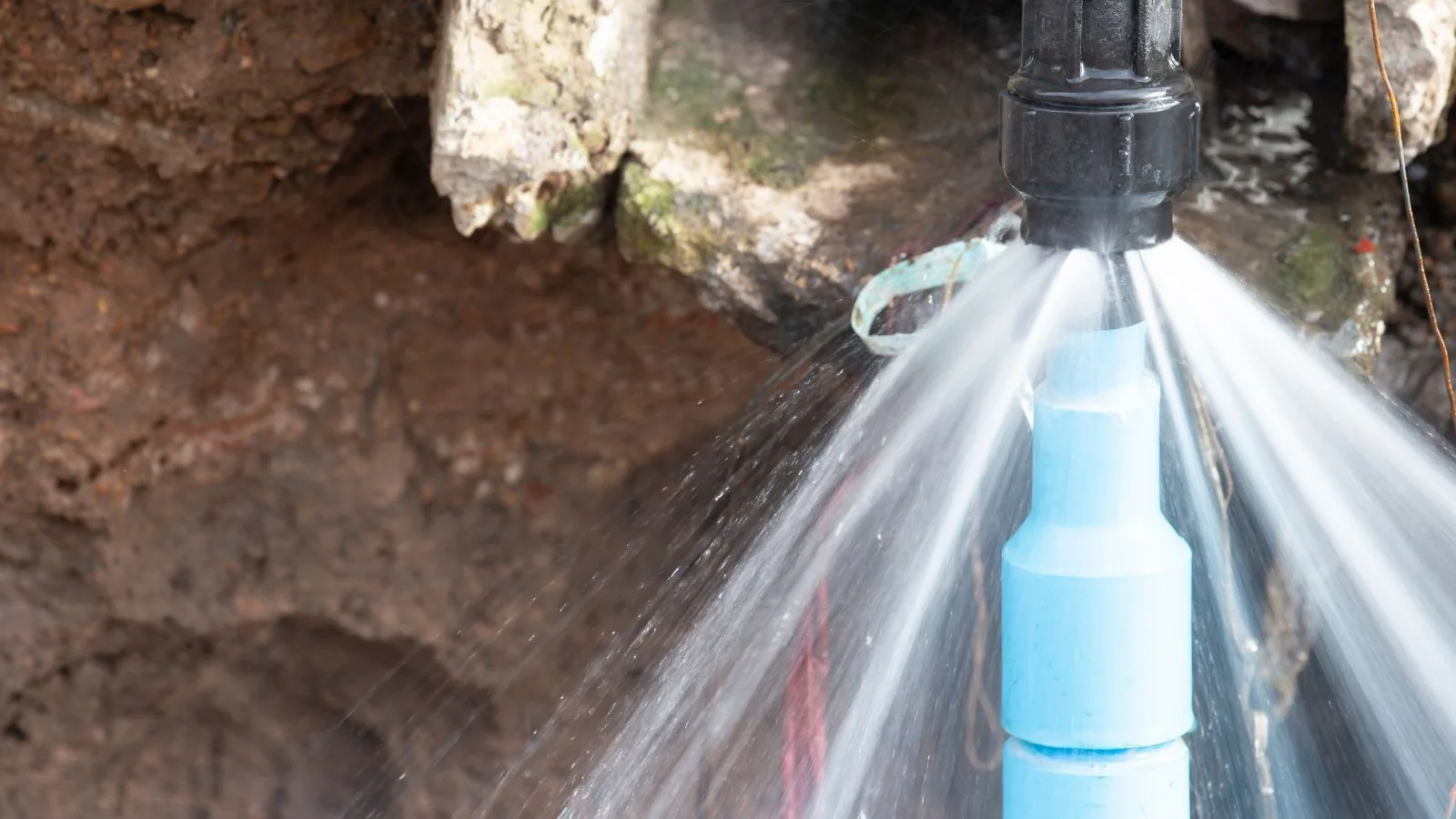
Standard homeowners policies usually cover water damage that is sudden and accidental. A supply line that bursts, a water heater that fails or a pipe that freezes and splits are common examples. Many policies exclude damage that builds up slowly, such as a drip behind a wall that runs for months.
Insurers often call the second kind "continuous or repeated seepage." If an adjuster decides a leak went on for weeks, the claim may be denied even when the pipe finally failed on one day. Prompt repairs and dated photos of the home help show when a problem started.
| Water source | Often covered? | Why it matters |
|---|---|---|
| Burst or frozen pipe | Often yes, if sudden | Treated as an accidental discharge |
| Water heater or appliance failure | Often yes, for resulting damage | The failed appliance itself may not be covered |
| Roof leak after a storm | Often yes, if the roof was in sound condition | Wear and tear is excluded |
| Slow leak over weeks or months | Often no | Gradual damage and neglect are usually excluded |
| Rising floodwater from a river or creek | Usually no under standard policies | Flood needs a separate flood policy |
| Sewer or drain backup | Depends on an added endorsement | Many policies exclude it unless it is added |
Your policy language decides. This table shows common patterns, not a promise.
Flood is a separate product
According to the Ohio Department of Insurance, flood damage usually needs its own policy and is not folded into a standard homeowners, renters or business policy. Coverage is bought separately, and there is often a waiting period before it takes effect. That matters in the Hocking River valley, where large parts of the city of Athens lie in the river floodplain.
What is specific to Athens
Large parts of Athens and Ohio University lie in the Hocking River floodplain. Notable floods have been recorded in 1832, 1873, 1907, 1937, 1949, 1964 and 1968. In 1969 the U.S. Army Corps of Engineers rerouted and widened the river channel for several miles.
The channel work did not remove flood risk for every address. To see whether a specific property is in a mapped flood hazard area, check the FEMA flood map for the address and ask your insurer or agent whether a flood policy applies.
Creek-side towns nearby face the same question. Chauncey sits near the meeting point of Sunday Creek and the Hocking River, and Amesville sits on Federal Creek.
Source type: Public reference (Wikipedia), Ohio Department of Insurance guidance
What to do first, even before you call the insurer
- Stop the water if you can safely do so. Insurers expect you to prevent further damage.
- Take dated photos and video of the source and every wet room before anything is moved.
- Keep damaged items if you can, or photograph them before discarding anything.
- Call a restoration crew so drying starts. Mitigation is usually a policy duty.
- Call your insurer or agent to open the claim and ask what they require.
Starting the dry-out does not harm a claim. Waiting often does, because wet materials get worse every day. The water extraction page explains what crews do in the first hours.
Water damage today? Call the 24/7 line before the damage spreads.
☎ Call (740) 231-9132Questions to ask your insurer
- Is the cause of this loss covered under my policy?
- What is my deductible for water damage, and is it different from other claims?
- Do I have sewer or drain backup coverage?
- Are there limits on mold, drying or mitigation costs?
- Does my policy pay for temporary housing if the home is not livable?
- What documents and proof of loss do you need, and by when?
Write down who you spoke with, the date and what they said. If a claim is denied, ask for the reason in writing. You can usually ask for a review and you can contact the Ohio Department of Insurance with questions about how your claim was handled.
Deductibles and small losses
A deductible is the amount you pay before the insurer pays. If repairs cost less than the deductible, a claim may not make sense. Some homeowners choose not to file small claims because claims can affect future premiums or renewals. That is a business decision for you and your agent, not a rule.
Before you decide, get a written scope of the work from a crew. Compare the repair scope with your deductible, then decide.
How restoration is billed alongside a claim
Restoration crews document the work with photos, moisture readings and an itemized scope. Insurers often ask for this documentation. A crew can share it with your adjuster, but the claim stays between you and your insurer. You choose the company that does the work, unless your policy says otherwise.
Scope and price are explained before work starts. If the adjuster's scope differs from the crew's, ask both to explain the difference in writing.
If your claim is denied
A denial is not always the end. Ask for the specific policy language and the evidence behind the decision. Send any additional photos, plumber reports or repair receipts that show the loss was sudden. If you still disagree, ask about the appeal process and consider contacting the Ohio Department of Insurance.
Keep paying for mitigation that prevents further damage. Letting a wet home sit is the surest way to turn a small loss into a large one.
Frequently asked questions
Does homeowners insurance cover a burst pipe in Athens?
Often yes, when the break was sudden. The policy language and the cause decide. Ask your insurer before you assume either way.
Is a leak that went on for weeks covered?
Often not. Many policies exclude continuous or repeated seepage. Photos that show when the problem began can help.
Do I need flood insurance in the Hocking River valley?
Standard homeowners policies typically do not cover flood. Check the FEMA flood map for your address and ask your insurer whether flood coverage applies.
Should I call the insurer or the restoration crew first?
Stop the water, then call the crew so drying starts, and call your insurer the same day. Neither call should wait on the other.
Does insurance cover sewer backup in Athens County?
Only if your policy includes a backup endorsement. Check your declarations page or ask your agent.