

Storms in southeast Ohio arrive as hard rain, wind and sometimes hail. Water finds weak spots, and most of them can be found ahead of time. This checklist walks around the outside of the house, then inside, and ends with a plan for the day water gets in.
None of it needs special tools. Pick a dry weekend, bring a ladder you can use safely and take notes.
Outside: where water enters first
Roof and flashing
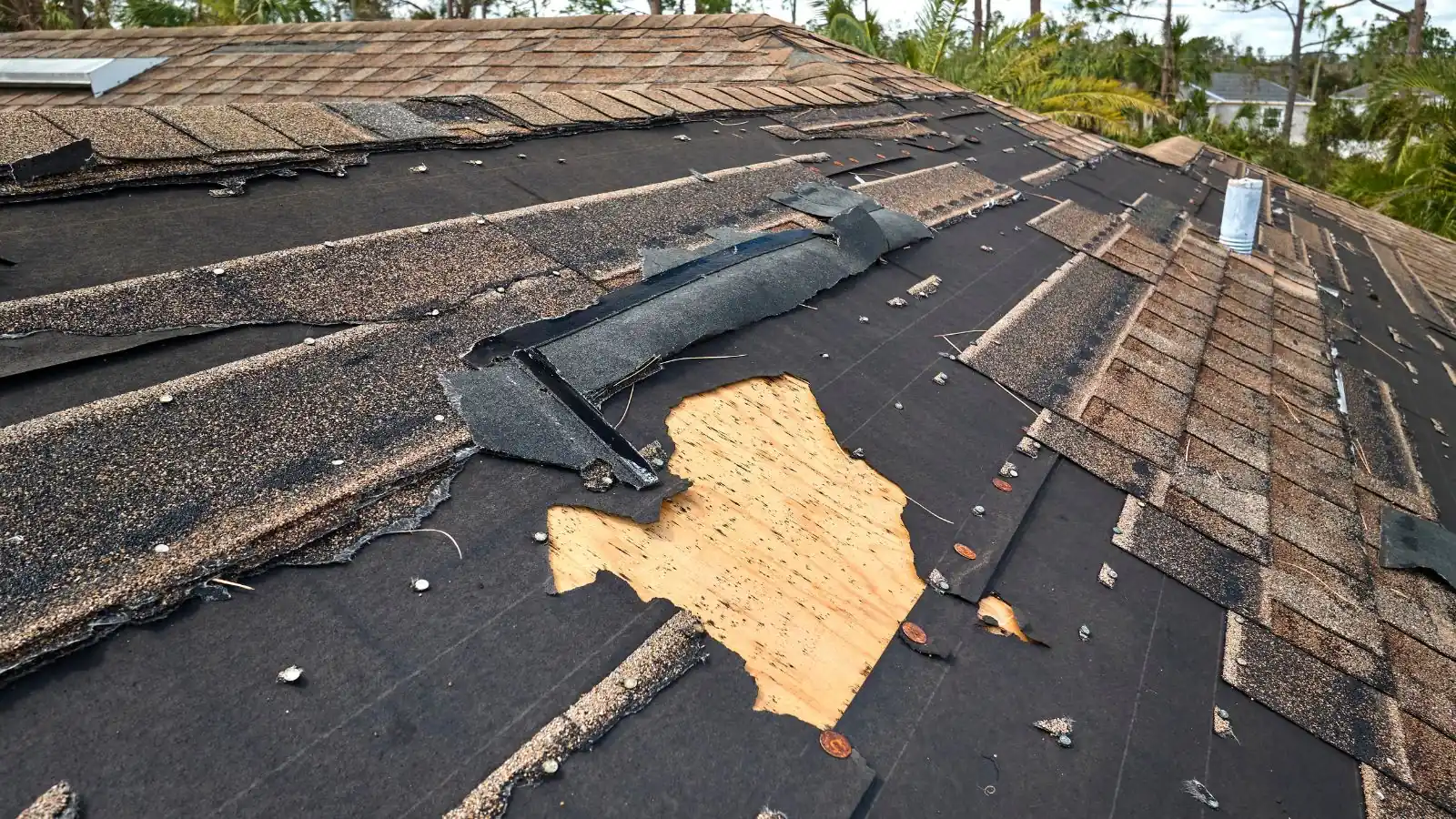
Look from the ground with binoculars for missing, curled or cracked shingles and for gaps around chimneys, vents and skylights. Flashing is the metal or sealant that keeps water out at those joints. If it is cracked or lifted, water will find it. Do not climb a steep or wet roof.
Gutters and downspouts
Clear leaves and debris so water drains instead of spilling down the wall. Check that downspouts discharge several feet from the foundation. Water dumped beside the house often ends up in the basement.
Grading and window wells
The soil should slope away from the foundation. If it slopes toward the house, add soil to correct it. Clear leaves out of window wells and make sure covers are in place.
Inside: basements, sump pumps and pipes
- Test the sump pump by pouring water into the pit. The float should lift and the pump should run.
- Consider a battery backup, since storms often cut power.
- Check the discharge line for clogs and make sure it exits away from the house.
- Look at basement walls and floor seams for cracks or damp spots.
- Find the main water shutoff and make sure it turns easily.
- Move stored boxes off the floor and onto shelves.
The basement page covers what happens if water gets in anyway, and the sewage page covers backups. A backflow valve on a sewer line may help in a low house. Ask a licensed plumber.
| Check | When | Why |
|---|---|---|
| Gutters and downspouts | Spring and fall | Prevent overflow at the foundation |
| Sump pump test | Before each storm season | Confirm it runs when needed |
| Roof and flashing | After winter and after hail | Catch small gaps before they leak |
| Main shutoff valve | Twice a year | Make sure it turns in an emergency |
| Basement walls and floor | After heavy rain | Spot new cracks and seepage |
A written schedule beats good intentions.
Storm damage already? Call the 24/7 line.
☎ Call (740) 231-9132How wet it gets here
Athens averages roughly 41.6 inches of precipitation a year, according to 1991 to 2020 climate normals. Heavy rain on saturated ground is what turns a normal storm into a flood.
In Amesville, Federal Creek flooded on June 28, 1998 after more than 10 inches of rain, damaging most businesses and houses on the south side of the village. Households in Amesville and The Plains can check the FEMA flood map for their address and ask their insurer about flood coverage before the season starts.
Source type: Public reference (Wikipedia), NOAA 1991 to 2020 climate normals as reported there
Make a plan for the day water gets in
- Know where the main water valve and the electrical panel are.
- Keep flashlights, a phone charger and a battery radio in one place.
- Photograph your belongings now, so you have a record for insurance.
- Keep your insurance policy number and agent contact on your phone.
- Save the number of a 24/7 crew before you need it: (740) 231-9132.
Protect the electrical side
Water and electricity are the biggest danger in a storm. Know where the main breaker is and keep a flashlight near it. Plug sensitive electronics into surge protectors and keep them off the basement floor. If a storm floods the basement, do not step into the water to reach the panel. Call the electric utility.
During the storm
Stay off the roof and away from windows. If water is entering, move valuables up and stay out of rooms with standing water and outlets. If a power line is down, stay far away and call the electric utility or 911. Never run a generator indoors or in an attached garage.
After the storm, walk the house in daylight. Check ceilings for stains, attics for damp insulation and basements for water. Photograph everything before cleaning.
Check your coverage before the season
Read your policy before the next storm. Know your deductible and whether you have sewer backup and flood coverage. Standard homeowners policies typically do not cover flood. A separate flood policy often has a waiting period, so it is not something to buy the day the sky turns dark.
Frequently asked questions
What should I check first before storm season?
Gutters, downspouts, the sump pump and the main water shutoff. Those four checks prevent many of the most common problems.
How do I test a sump pump?
Pour a bucket of water into the pit. The float should rise and the pump should turn on and empty the pit. If it does not, call a plumber.
Should I buy flood insurance before storm season?
Standard policies typically do not cover flood, and flood policies often have a waiting period. Ask your agent early.
Is it safe to clean up after a storm myself?
Small, clean-water spills, yes. Avoid deep water, electrical hazards, sewage and damaged roofs. Call a crew for those.
Do I need to clean gutters every year?
At least twice a year, in spring and fall, and more often if trees overhang the roof.