

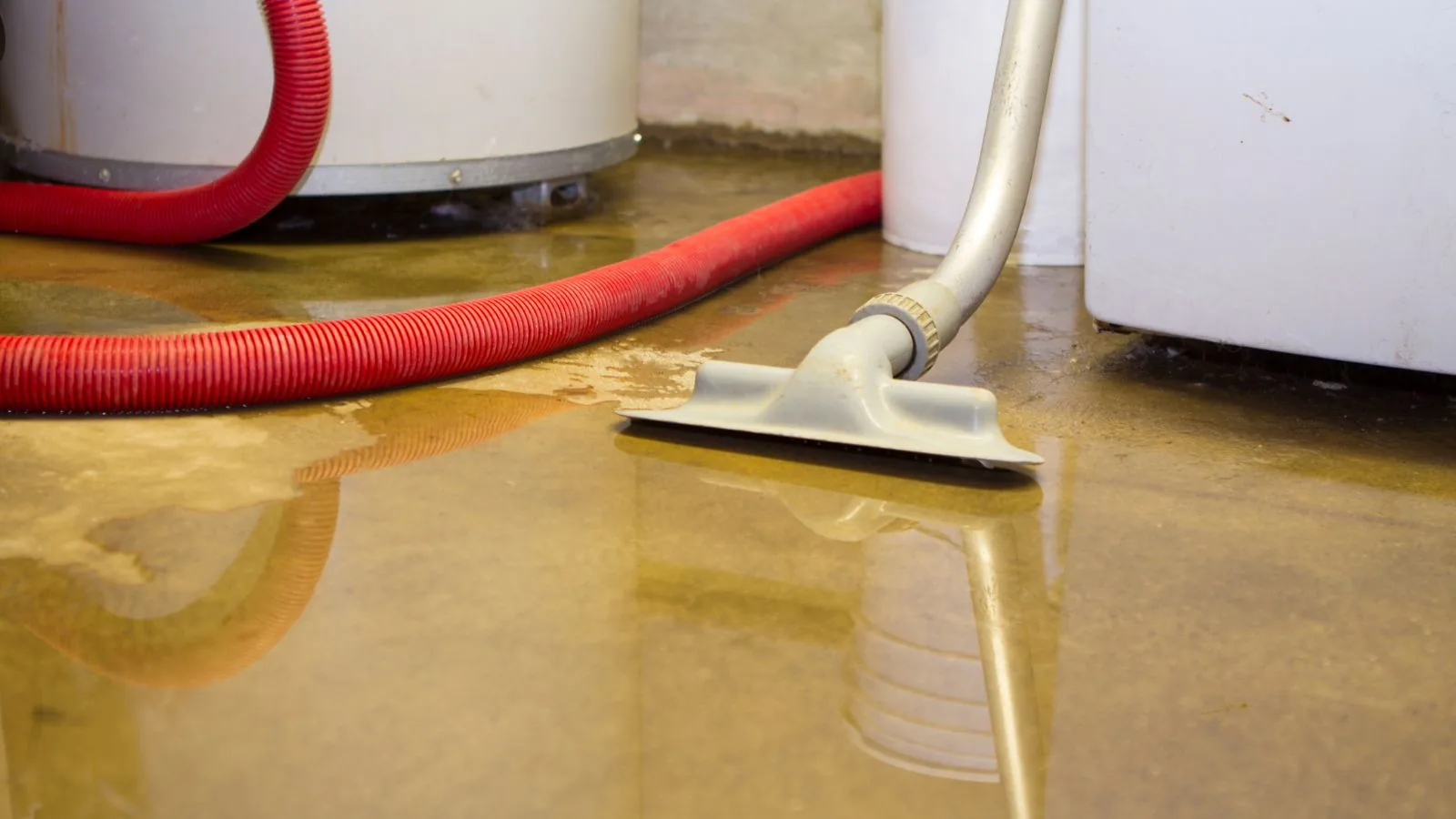
Not all water is equal. A burst supply line pours out clean water. A washing machine overflow releases water with soap and lint. A creek in flood carries soil, sewage and chemicals. The industry sorts water into three categories, and the category decides how a crew protects itself and what it removes.
The categories come from the IICRC S500 standard, which the restoration industry uses as its reference. This guide explains them in plain language.
Category 1: clean water
Category 1 water comes from a sanitary source, such as a broken supply line, a tub or sink overflow with no contaminants or a failed water heater. It does not pose a health risk at the start. But clean water does not stay clean. As it sits, it picks up bacteria from materials and can degrade within 48 hours.
Most Category 1 jobs involve extraction, drying and sometimes carpet pad removal. Many materials can be saved. See the burst pipe page for the usual causes.
Category 2: gray water
Category 2 water has some contamination that can cause illness if exposed or swallowed. Examples include a washing machine or dishwasher overflow, a toilet overflow with urine only or a sump pump failure. It can also be Category 1 water that sat too long.
Crews wear protection and treat affected materials. Porous materials such as carpet pad and some drywall may be removed. Carpet might be cleaned and dried or removed, depending on how long it was wet.
Category 3: black water
Category 3 water is grossly contaminated. It includes sewage, river or creek floodwater, water from a toilet with feces and standing water that supported growth. It can carry bacteria, viruses and chemicals.
Crews contain the area, use protective gear and remove porous materials such as carpet, pad, insulation and drywall that touched the water. Hard surfaces are cleaned and treated. The sewage page and the flood damage page cover these jobs.
| Category | Common sources | Typical response |
|---|---|---|
| 1 (clean) | Supply line, water heater, tub overflow | Extract, dry, replace pad if needed |
| 2 (gray) | Washing machine, dishwasher, sump failure | Extract, treat, remove porous materials as needed |
| 3 (black) | Sewage, creek and river flood, toilet with solids | Contain, remove porous materials, clean and treat |
| Any category over time | Clean water left too long | Treat as one category higher |
A crew decides the category after seeing the source and the materials.
Not sure what kind of water you have? Call the 24/7 line.
☎ Call (740) 231-9132Why time changes the category
Water ages. Clean water that sits on carpet for two days may become Category 2. Gray water that sits for several days may become Category 3. Warm temperatures and organic material speed that up. This is one reason to start drying quickly.
If you do not know how long the water has been there, tell the crew. They will treat it with the more cautious rules.
What categories mean for your belongings
- Hard, nonporous items such as glass, metal and sealed tile can usually be cleaned in any category.
- Porous items such as carpet pad, mattresses and upholstered furniture are generally discarded after Category 3.
- Carpet is often saved after Category 1, cleaned after some Category 2 events and discarded after Category 3.
- Drywall that wicked Category 3 water is cut out above the water line.
- Papers, photos and books are hard to save after contaminated water. Ask about specialty drying.
Hocking Valley floodwater is Category 3
When the Hocking River or a creek floods, the water is treated as Category 3 because it carries soil, sewage and runoff. The river runs along Nelsonville, and Monday Creek flows through the eastern part of the city. Chauncey sits near the confluence of Sunday Creek and the Hocking River.
If your property near Nelsonville or Chauncey took on floodwater, assume it is Category 3. Do not use fans on wet carpet, do not sleep in the affected rooms and call a crew before touching porous materials.
Source type: Public reference (Wikipedia), IICRC S500 standard
Safety while you wait
Keep children, pets and anyone with a weak immune system out of the area. Wear boots and gloves if you must enter. Do not eat food that touched the water. Wash hands thoroughly. Questions about health after exposure belong to a physician.
Do not mix cleaning chemicals. If you smell gas, leave and call the gas utility from outside.
How the category affects insurance
Category 3 jobs cost more because of protection, disposal and the extra materials removed. Coverage depends on the source. Sewer backup and flood are often excluded from standard policies. Ask your insurer which endorsements you have.
Frequently asked questions
What is the difference between gray water and black water?
Gray water is moderately contaminated, such as from a washing machine overflow. Black water is grossly contaminated, such as sewage or floodwater.
Can Category 1 water turn into Category 3?
Yes, if it sits long enough or touches contaminated materials. Time and temperature matter.
Is floodwater always Category 3?
Yes, river and creek floodwater is treated as Category 3 because of what it carries.
Can carpet be saved after gray water?
Sometimes, if it is cleaned and dried quickly. Pad is usually replaced.
Who decides the category?
The restoration crew decides after checking the source, the age of the water and the materials affected.